













Toca. Coffee with Impact
Since 2022, we have been supporting a young organic cooperative on its path to self-determination with the Toca Project in the Sierra de Zongolica. In 2024, the producers took major steps: They built a microbeneficio, now process their coffee cherries centrally, and are continuously improving quality. Through a co-investment, we evolved from buyers to partners – the potential is enormous, and sustainable change is possible.

More resilient ecosystems
What is this project about?
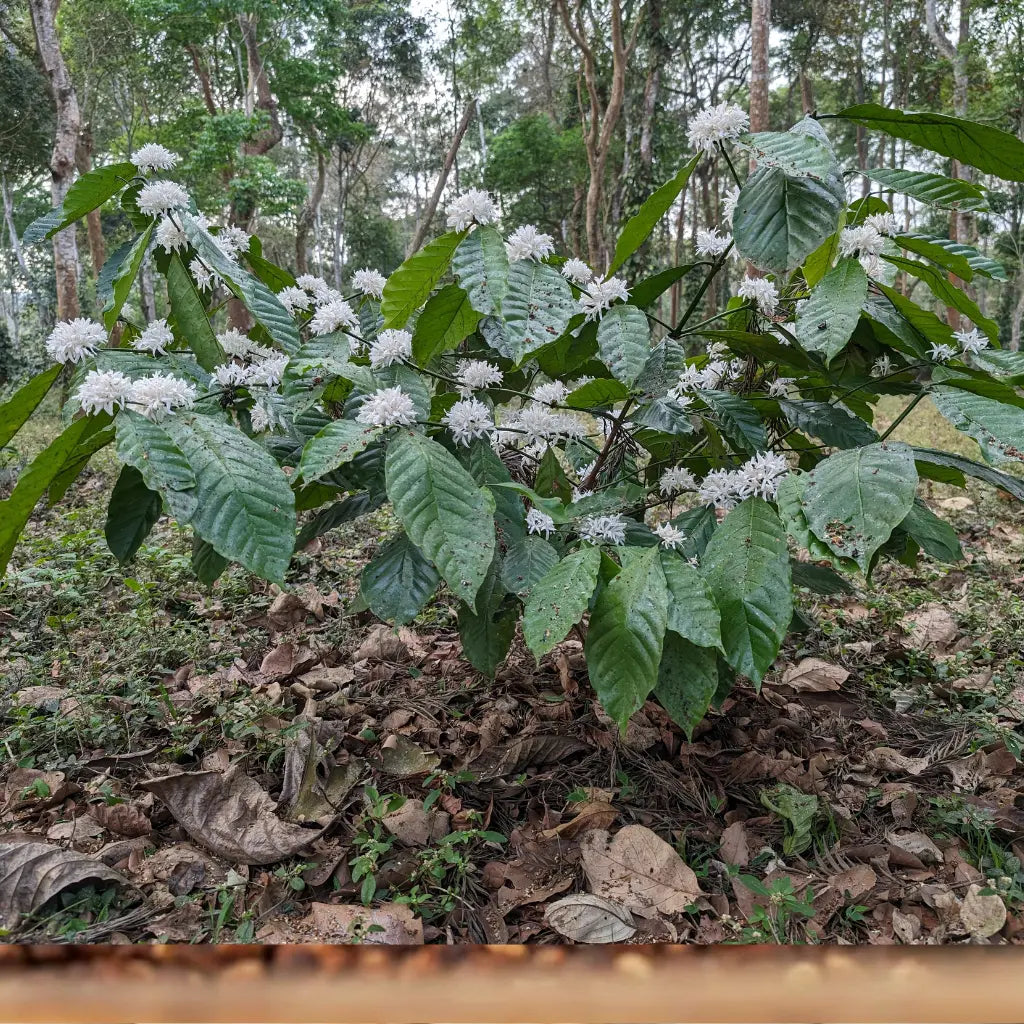
Mexico is a special coffee country. It has preserved a great deal of biodiversity, and much of its coffee grows in forests, like its original ancestor in Africa.
While many countries rely on monocultures, agrochemicals, and high yields, indigenous communities in Mexico continue to produce crops in diverse polyculture systems. They produce less but better food in sustainable ecosystems.
But climate change is also affecting them: coffee rust, extreme heat, and rain are causing crop failures and reducing quality. Previous solutions, such as the use of chemicals or cultivation at higher altitudes, are not long-term solutions. The only answer lies in more resilient ecosystems.
The project in the region around Zongolica (Veracruz) is a collaboration between Nahua coffee producers, Ensambles Cafes Mexicanos, the coffee makers, and the Black Hen roastery in Saarbrücken.
The goal is to transition from conventional agriculture to regenerative practices. The goal is to strengthen soils, stabilize temperatures, and protect water – without synthetic inputs.
The El Equimite Ensambles farm in Coatepec serves as a laboratory. Permaculture and biodynamic methods are tested there and then implemented in the project.
The group in Zongolica benefits from Ensambles' many years of expertise. Lalo, a producer and agronomist himself, is the contact between Ensambles and Citlal Kaffeen. He is part of the cooperative and available as a daily contact person.
Gibran Cervantes
"We believe the solution lies in resilient ecosystems. But creating them is not an easy task."

Toca Project
Milestones
What was a loose idea in a conversation between Gibran and Philipp in 2017 became a project that the producers are proud of and see a future in.
Start of organic certification in 2025
Half of the cooperative members are ready for organic certification in spring 2026.
Founding of the cooperative in 2024
As a group, Citlal Kaffen is now efficient in administration and has expanded market access.
Commissioning of the wet mill in 2024
The cooperative now processes the coffee cherries itself and dries them on its own patio for full control.
Philipp Schallberger
"I've never seen a group of producers with this drive, this level-headedness, and this motivation."

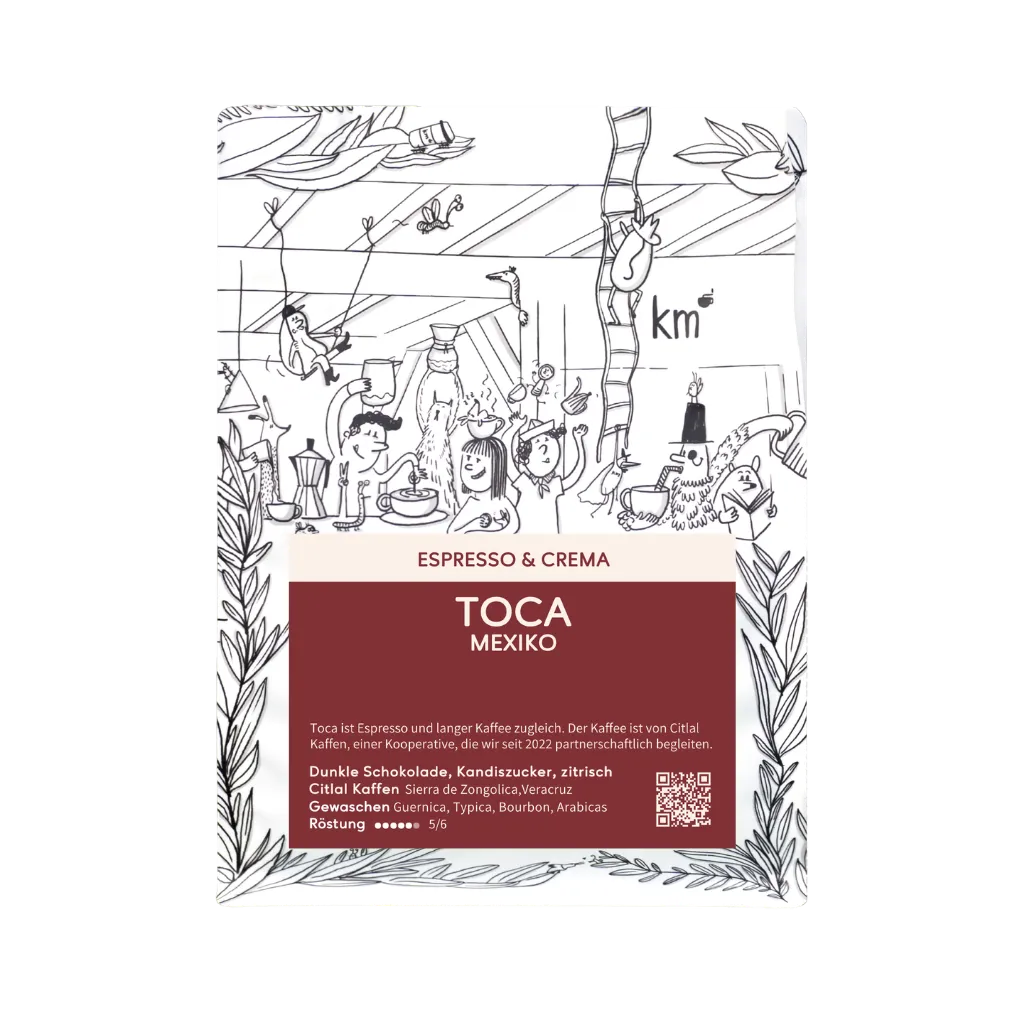


Toca - Green Coffee Information
|
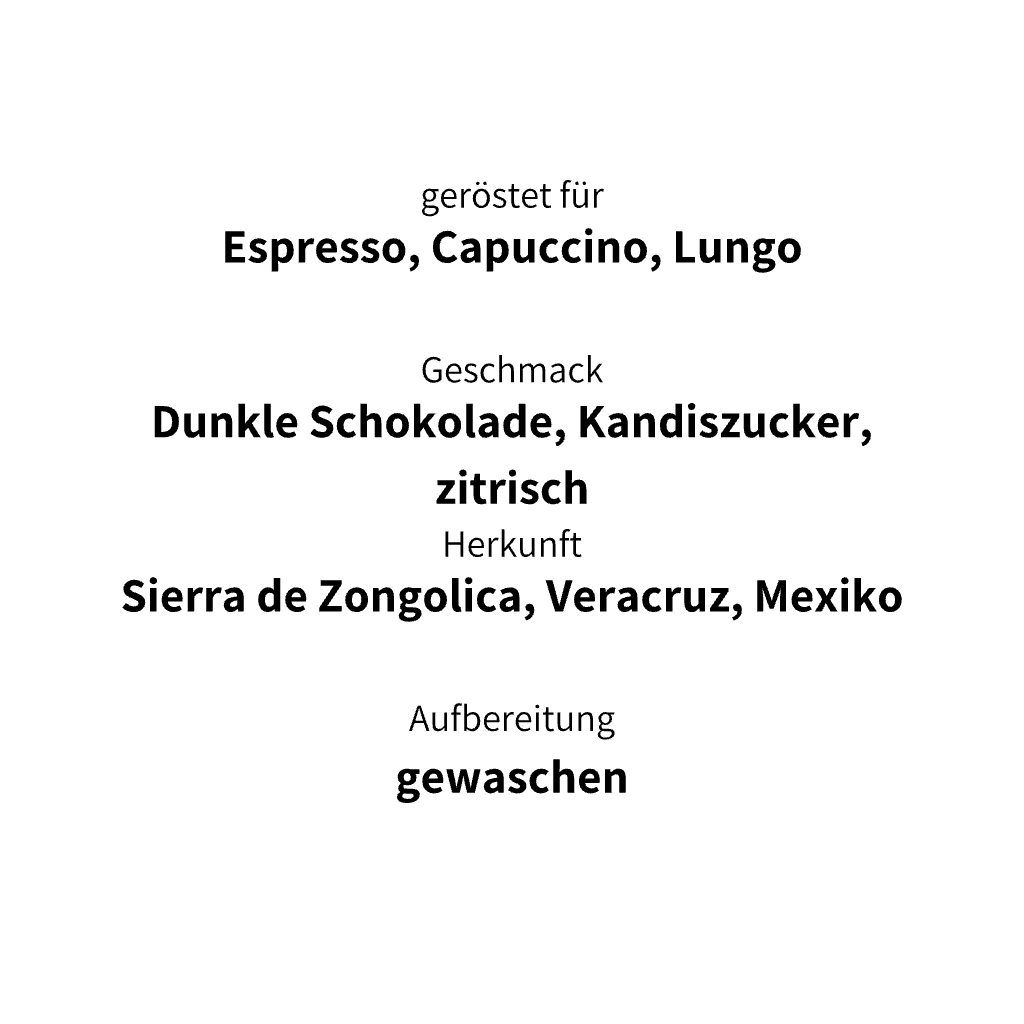
Taste |
Dark chocolate, rock candy, citrusy |
|
Origin of Beans |
Sierra de Zongolica, Veracruz, Mexico |
|
Producer |
Citlal Kaffen Cooperative |
|
Varieties |
Guernica, Typica, Bourbon, Catimores |
|
Post-Harvest Process |
pulped, water fermented, washed |
|
All our coffees are sold as whole beans. |
|
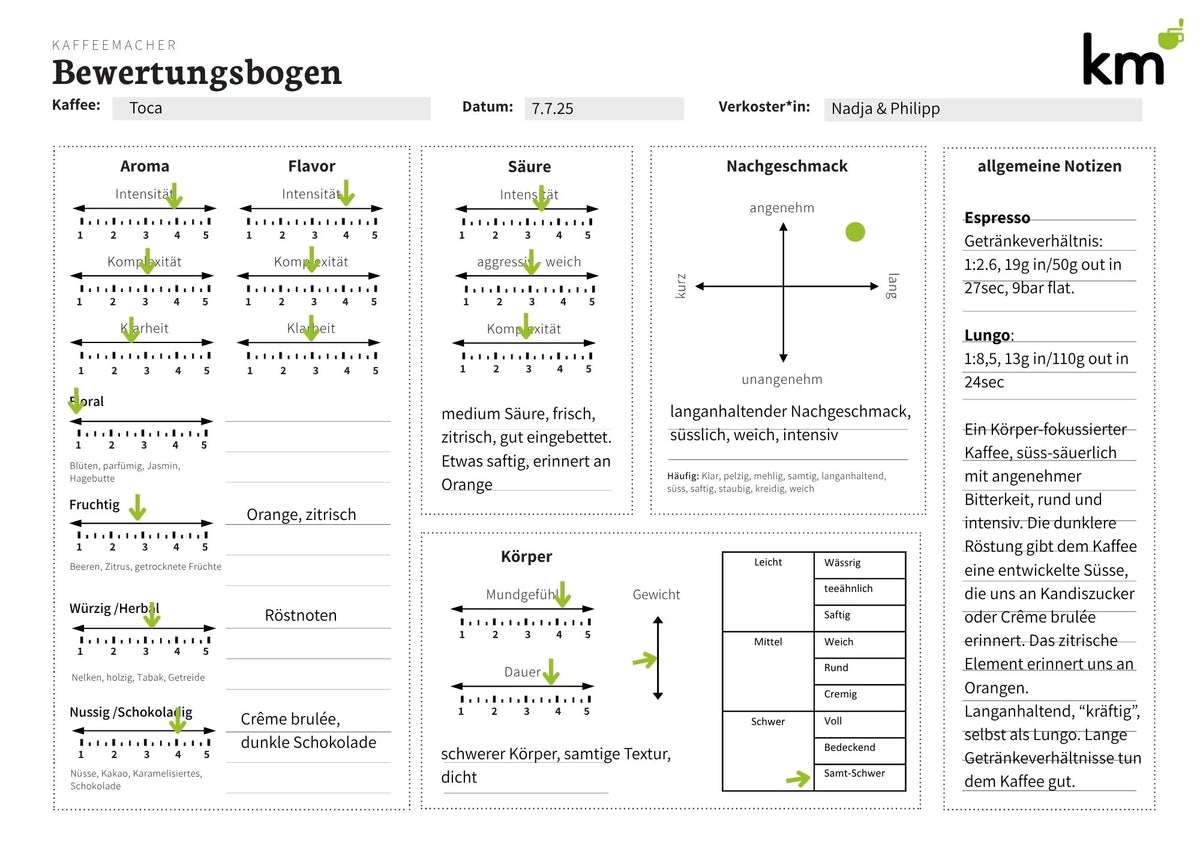
How we would prepare the Toca

Tell me more about Toca
The official name of the project in Mexico itself is "Tlapajti" - which means in the locally spoken Nahuátl language, spoken in the project region: "Those who heal." The name came from a producer in the community herself. She said that she now heals Mother Earth and therefore they are "Tlapajti". In spring 2022 we started the Tlapajti project in Mexico with Ensambles Cafés Mexicanos.
What is the Toca project about?
First, there was the founding of a cooperative, which re-established itself in 2024. Now Ensambles is working to get producers organic certification. The first producers achieved organic certification in spring 2025. The current roasted coffee is not yet organic certified. In 2024, we founded a microbeneficio with the producers, Ensambles and our friends at Black Hen Roastery and set it up as a co-investment. The microbeneficio is a coffee processing facility. The producers built it and now operate it themselves. Now they can also offer the processing service to other producers in the region and diversify their activities. Next on the agenda is the gradual development of a small biofábrica, where the cooperative will produce its own organic fertilizer.
Why does the coffee taste the way it does?
Coffees from the Zongolica region have a medium to high body. The area around the Apixtepec community, where the producers live, is often shrouded in rain clouds pushed inland from the Atlantic. It's often cool, and the coffees ripen slowly. This slow growth gives the coffee its complexity, a citrusy-delicate acidity and high base sweetness. The soft texture comes from careful selection of the cherries.
How do we roast this coffee?
We roast the Toca as a 30 kg batch in our roaster, so we're running the drum at full capacity. With a 15-minute roast time, this coffee is among our longest roasts. This highlights the more classic notes like rock candy. The development time is 15%. We start with a soak, so we let the heat to minimum for 1 minute before turning it up to 70% power. After that we let the coffee and roaster do their own work and don't intervene again until 10 minutes, when we gradually reduce the heat.
Import coffee details to Beanconqueror

Pickup available at Kaffeemacher:innen
Usually ready in 24 hours
Toca, Espresso from Mexico
250g
Kaffeemacher:innen
Otto-Lilienthal-Straße 13
46539 Dinslaken
Germany