


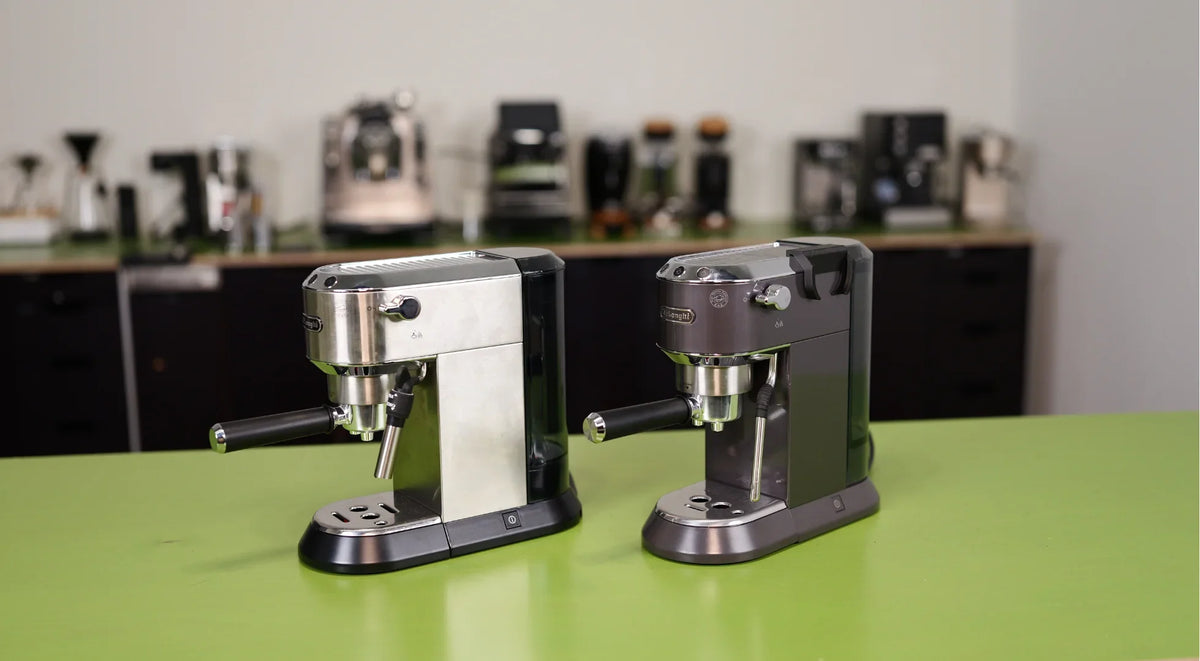

The DeLonghi Dedica is the machine most of you start with. We tested it for the first time in 2019, twice more since then, and for the comparison of the whole range we had six Dedicas on our bench at once. We bought all of them ourselves; by now there are more than six in the house. For the descaling video, two more came in from the community. This article sums up what we know about the Dedica: what it can do, where it gets on your nerves, which model suits whom, and which three upgrades turn a 150-euro machine into an espresso machine that makes the start of your espresso journey a pleasure.
We bought every Dedica we tested. Two machines from the community were on loan for the descaling video. DeLonghi neither supplied machines nor saw this text before publication. We do not sell espresso machines, not even the Dedica.
Because the Dedica only shows its potential with one or two upgrades, we started developing useful accessories for it over time. You will find them linked further down in this article.
The essentials in 30 seconds
The Dedica is the cheapest espresso machine we can recommend. It heats up in 20 seconds, holds 93 °C with the right routine and makes good espresso. For this price, that is very respectable.
It is only an espresso machine, though, if you follow our tips and buy two things on top: a grinder and a single-wall basket. Out of the box it comes with a double-wall basket, also known as a pressurised basket, that fakes crema and does not react to any of your settings. With the original basket the espresso tastes unbalanced and flat; with a single-wall basket in a matching portafilter it tastes balanced and sweet. Same machine, same coffee, good or bad espresso.
If you want to steam milk, take the Arte EC885 or the Duo EC890 with the metal steam wand, or upgrade the EC685. The EC685's Pannarello nozzle is useless as delivered.
Which Dedica suits you: EC685, Arte EC885 or Duo EC890
At first glance the range looks like three machines. Technically, it is fewer.
Felix Hohlmann, two-time German Barista Champion, laid the technical drawings of both machines side by side for the 685-versus-885 comparison and measured temperature curves for two days. Result: identical one to one, except for the steam wand. Thermoblock, pump, group, volumetrics, temperature settings, all the same. Everything we say about temperature and preparation in this article applies to both models without exception.
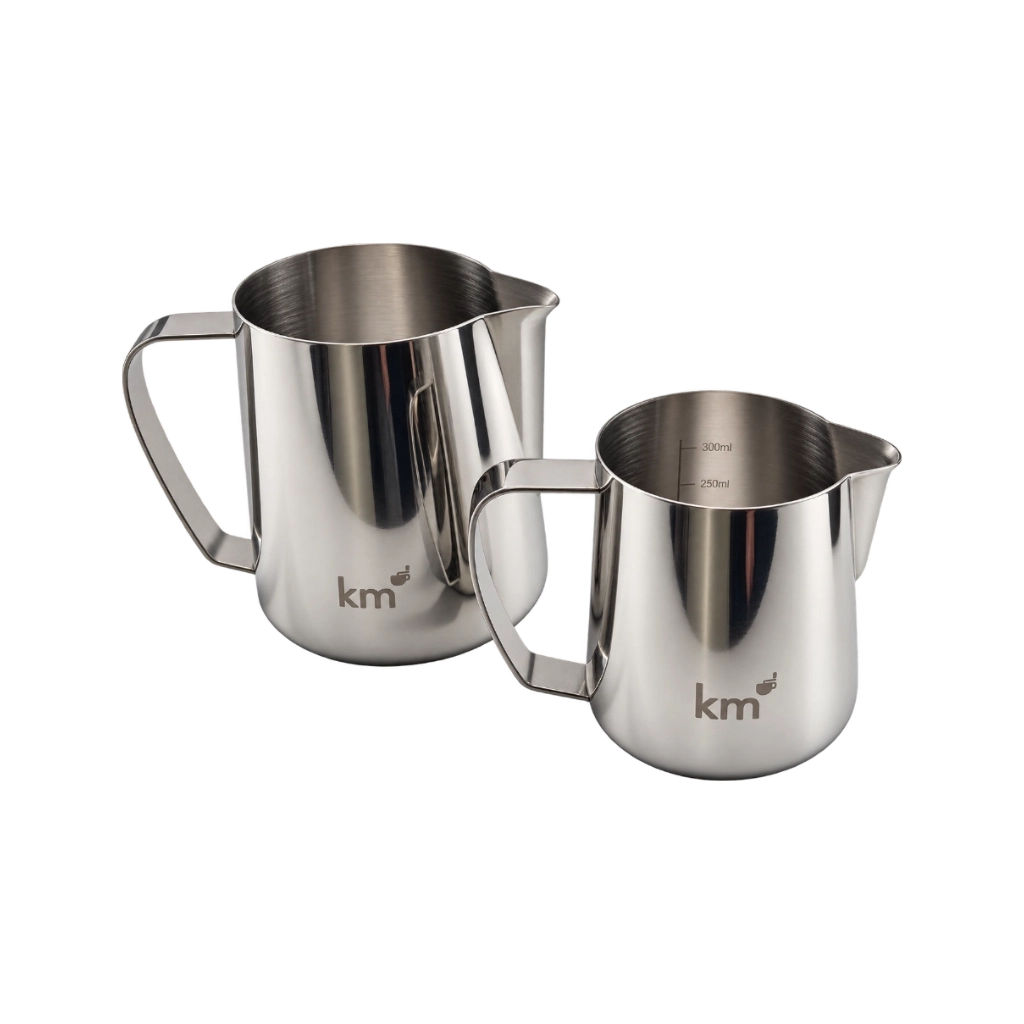
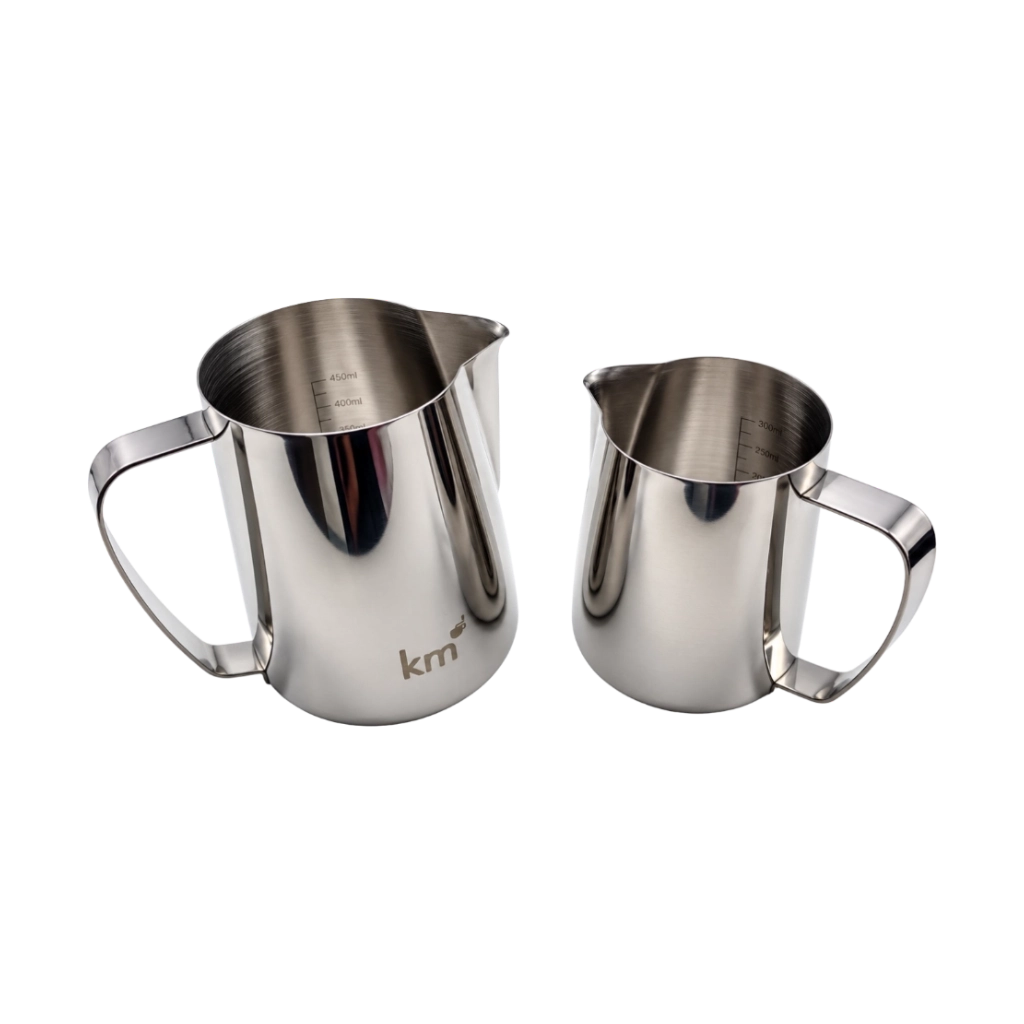
The difference is in the box. The 885 comes with a metal steam wand, a tamper with a metal base that fits the basket, and a sturdy little milk jug. The 685 comes with a plastic scoop with a stamp on the back that is warped at the bottom and does not press the coffee flat. Felix's view of the 50 to 60 euro premium: justified as soon as milk is involved. A tamper and a jug quickly cost 25 euros on their own, and converting the 685's steam wand is fiddly and voids the warranty.
The Dedica Duo EC890 has been on the market since 2025 and plays one price class higher: dual thermoblock, cold extraction function, metal steam wand as standard. It is on our bench right now, the article is coming. What we can already say: the Duo has the same 51 mm bayonet as the 685 and the 885. Our portafilters, baskets and tampers fit; only the portafilter holder does not, because the housing is shaped differently.
| Model | Price approx. | Steam wand | Tamper | Technology | Status |
|---|---|---|---|---|---|
| Dedica Style EC685 | 140 to 160 € | Pannarello (plastic) | Plastic scoop | Thermoblock, 3 temperature settings, volumetrics | current, several colours |
| Dedica Arte EC885 | approx. 200 €, remaining stock only | Metal steam wand | Metal base, fits the basket | identical to EC685 | no longer listed by DeLonghi Germany |
| Dedica Duo EC890 | approx. 220 € | Metal steam wand | n/a | Dual thermoblock, cold extraction | current, since May 2025 |
* Prices from online retailers and delonghi.com, as of August 2026.
Our recommendation in one sentence: if you only drink espresso, take the 685 and put the 50 euros you save into a single-wall basket. If you want cappuccino, take the 885 while it lasts, the 890, or the 685 plus a steam wand upgrade.
Thermoblock: ready in 20 seconds, 0.017 kWh per double shot
The Dedica has no boiler but a thermoblock. The water is heated only when you pull a shot; there is no litre of hot water sitting anywhere. Almost everything that defines this machine follows from that.
First, speed. After switching on, the buttons flash, and after about 20 seconds the machine is ready. The portafilter, however, is still cold at that point; more on that in a moment.
Second, power consumption. Following our protocol, we measured the consumption for a single double shot: 0.017 kWh. That is pod-machine territory and less than any boiler machine we have ever measured. The Dedica switches itself off after 9 minutes; this can be changed to 30 minutes or 3 hours. With a machine that is ready again in 20 seconds, there is no reason to leave it running. Peak load is around 1,300 to 1,450 watts, which is fine for a suitably wired camper van.
Third, consistency, and this is where it gets interesting.
Three temperature settings, level 2 at 92 to 93 °C
The Dedica has three brew temperatures. We measured them with the measuring portafilter:
| Level | Temperature during the shot | Suits |
|---|---|---|
| Level 1 (factory setting) | 90 to 91 °C | very dark roasts, classic Italian |
| Level 2 | 92 to 93 °C | most espressos, including our Apas |
| Level 3 | 95 to 97 °C | almost never, at most very light roasts |
Our recommendation is level 2. That is a correction to our first test, in which we had advised the lowest level. For dark supermarket roasts, level 1 remains the better choice; for everything from medium to light, level 2 is the starting point. From the factory, the machine is set to level 1.
Here is how to change it: hold the steam button until the three buttons flash. Press the espresso button once; the buttons light up one after the other. Then press the button for the level you want, 1, 2 or 3 from the left. A short flash confirms it. Done.
Now the catch. Without preparation, the first shot overshoots. We measured up to 105 °C, and once 108 °C on level 3. That is not only down to the thermoblock but to the fact that the whole system gets hot in 20 seconds while the stainless steel portafilter does not. And without a flush in between, the temperature drops during extraction and ends around 88 °C. Together, that turns 93 °C into a lottery.
The routine that keeps the Dedica at 93 °C is simple and takes one minute:
All the details on temperature, temperature surfing and the typical mistakes are in our EC685 review. The complete preparation workflow from grinder to cup is described in Perfect espresso with the Dedica.
Volumetrics: 1.5 grams of deviation over 15 shots
The two brew buttons are programmable, and that is the best feature of the machine. Felix weighed the output over 10 to 15 shots: 1.5 grams of deviation. First with water, then with coffee. That beats some heat-exchanger machines we have tested at four times the price that have no volumetrics at all.
Programming is as easy as it gets. Scale under the cup, hold the button, let go at the target weight. The machine stores it for the next shot. For a recipe with 16 grams of coffee and 32 grams in the cup, that is a single shot with the scale; after that you only need it to weigh the coffee.
One limitation: the volumetrics measure water, not resistance. If you change the grind setting, the amount in the cup shifts a little. With a constant grind and a constant dose, it was very reliable for us.
What gets on your nerves: expansion valve, drip tray, fake basket
We like the Dedica. Still, there is a list, and it is the same for both models.
No expansion valve. The pressure in the brew chamber can only go one way, down into the cup. If you grind too fine, you have a pressurised portafilter after the shot. When you unlock it, the rest comes out with a bang. And because it drips after the stop, 14 grams on the scale quickly become 18. You learn to factor it in; nice it is not.
The pre-infusion is fixed. Four to five seconds, on every shot, cannot be switched off. German Barista Champion Felix is relaxed about it: a constant you can work with, and it forgives sloppy puck preparation. Control it you cannot.
The drip tray. 15 centimetres wide, a closed plate with three holes instead of a grate. The flush water misses the holes, so a cloth lives next to the machine permanently. The float that shows the fill level, on the other hand, is well done.
The weight. The machine is so light that it moves when you unlock the portafilter. One-handed, nothing works. If you want to experience the world of espresso as something heavy and hands-on, you will not experience it here.
The basket. That gets its own section. It is the main reason so many Dedicas disappoint.
The double-wall basket is the problem, not the machine
Both models ship exclusively with double-wall baskets, often sold as pressurised baskets. A double-wall basket has only a single exit hole at the bottom. It builds up pressure artificially and produces crema no matter how the coffee is ground. That is what it is built for: pre-ground and stale coffee from the packet that no longer builds resistance on its own.

For freshly ground coffee, the basket is a brake. The machine does not react to the grind setting, so you cannot dial in the grinder. On top of that, the Dedica's basket has a rubber tab for lifting it out, and coffee grounds get stuck behind it every single time, out of reach of any cloth. Old grounds taste bitter and rancid.
In the test we pulled the same coffee two ways. With the original basket, 14 grams to 28 grams: unbalanced, sharp acidity, a dusty, papery off-note, and the crema was gone after 30 seconds. With a single-wall basket, 18 grams to 48 grams: round, sweet, nutty. Same machine, same temperature setting, same Apas espresso, once very good, once undrinkable.
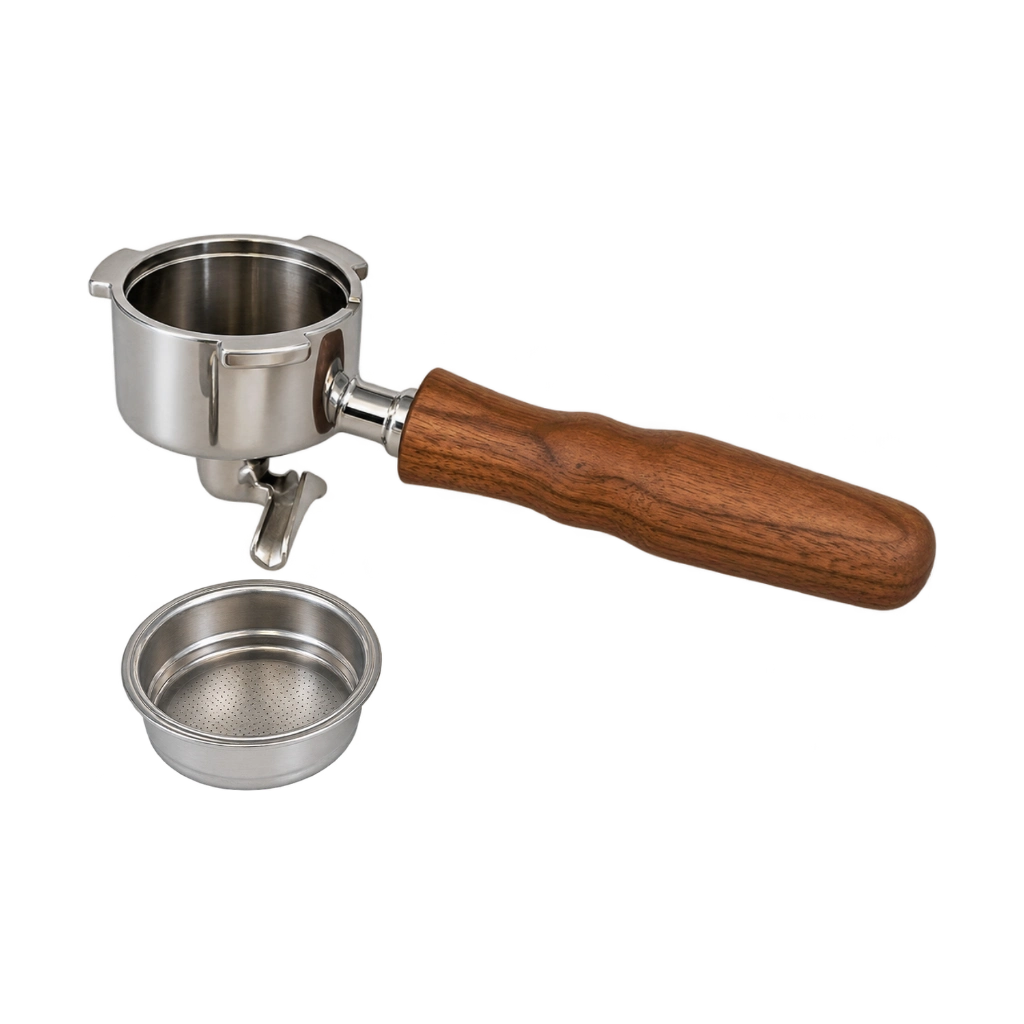
Why the conversion is not entirely trivial: inside the original portafilter sits a plastic insert with a valve. Take it out and the portafilter has three holes at the bottom, and the espresso drips from every corner. That is why we recommend a dedicated portafilter with a single-wall basket instead of the conversion. How double-wall baskets work exactly and why the crema then looks the way it does is explained in our article on the double-wall basket.
“It makes no sense to buy an espresso machine and then use pre-ground coffee. For the first two weeks, fine. But you limit yourself so much that you never get to the beautiful part of making coffee.”
Three upgrades that make the difference
Over the years we have tried everything you can bolt onto a Dedica, from cable ties to 3D printing. Three things are worth it, in this order.
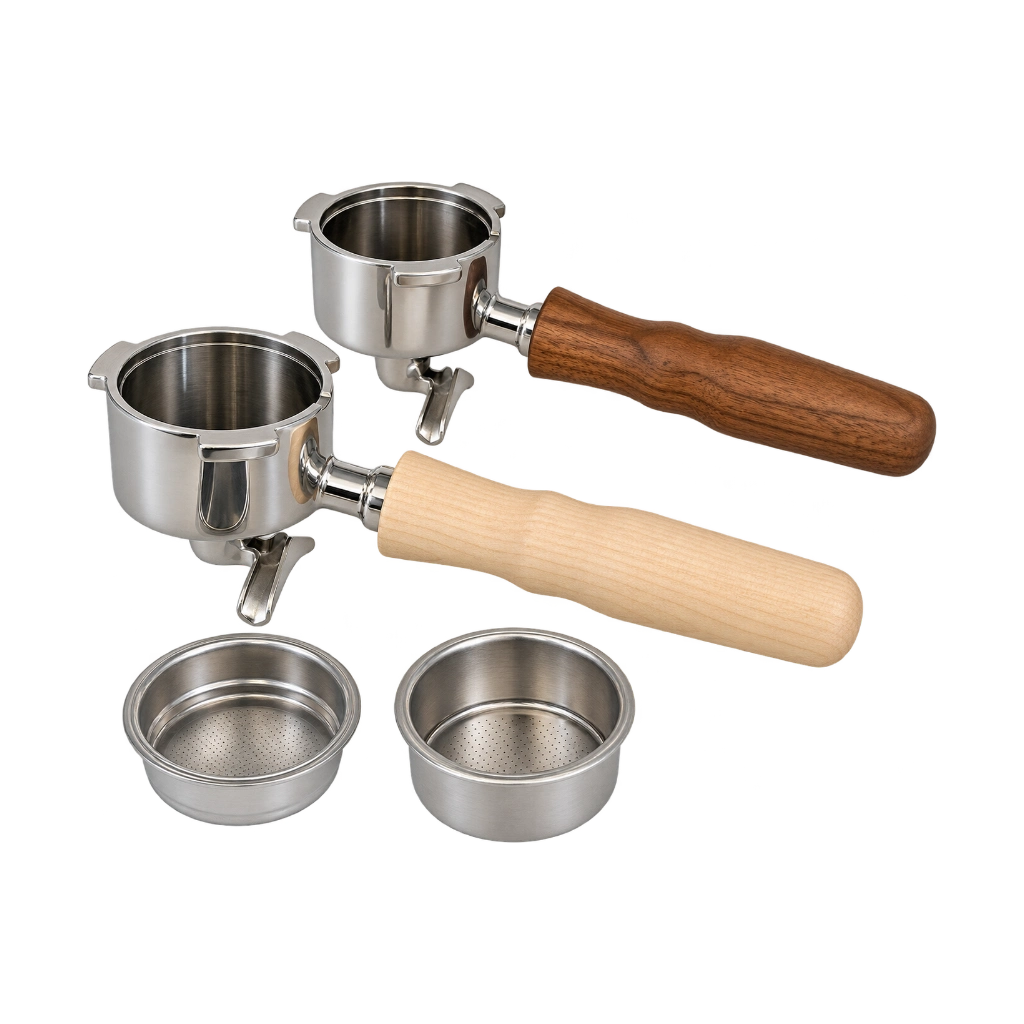
1. A portafilter with a single-wall basket. Without it the Dedica does not respond to your grinder; everything else comes after. Because the original portafilter drips without its plastic insert, we made our own portafilter with a double spout for the Dedica, with a 12.5-gram or a 16-gram basket. For those who want to see how the espresso flows, there is also a bottomless version. The bottomless one shows channelling immediately but cannot split the shot into two cups. If you want to keep the original portafilter, you can get the 51 mm baskets on their own.

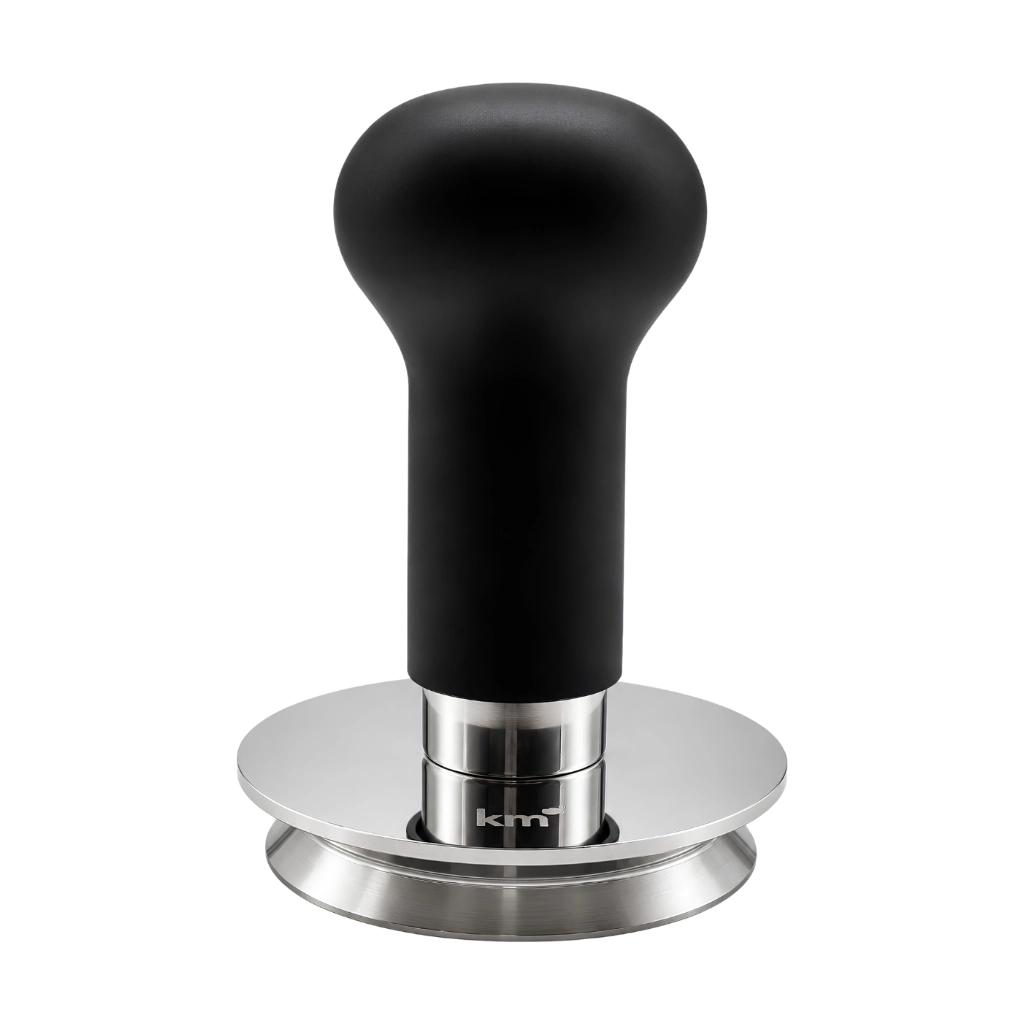
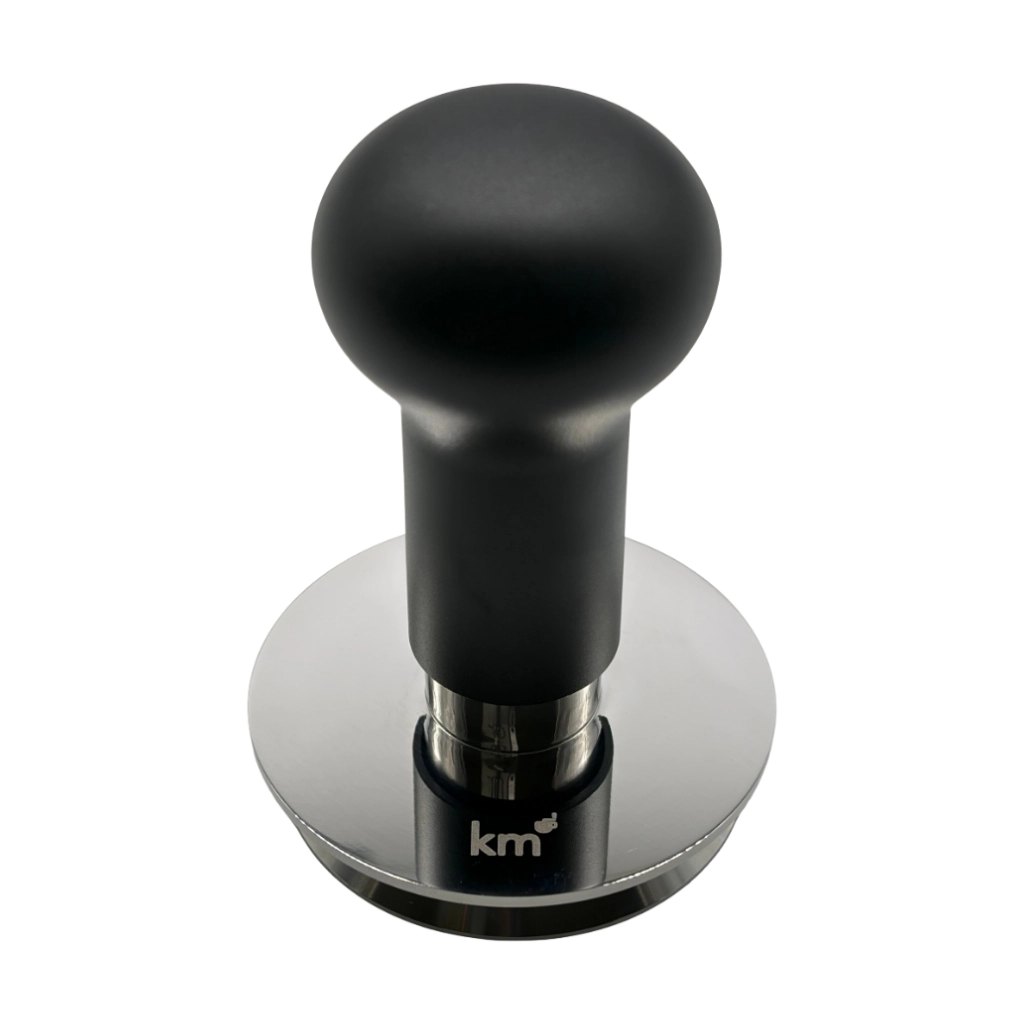
2. A real tamper. The plastic scoop of the 685 presses at an angle because it is warped at the bottom. A 51 mm tamper sits flush in the basket. The 885 comes with one, the 685 does not. The scale replaces the scoop anyway.
3. A steam wand worthy of the name. The Pannarello nozzle of the 685 draws in a lot of air, creates no rotation, and the bubbles just sit there. There is a trick for a few cents: pull off the Pannarello and secure the silicone tube underneath with two cable ties. That lets you steam. Cleaner is a stainless steel tip, which is now available to fit the Dedica, from us too. If you have the 885, you need none of this.
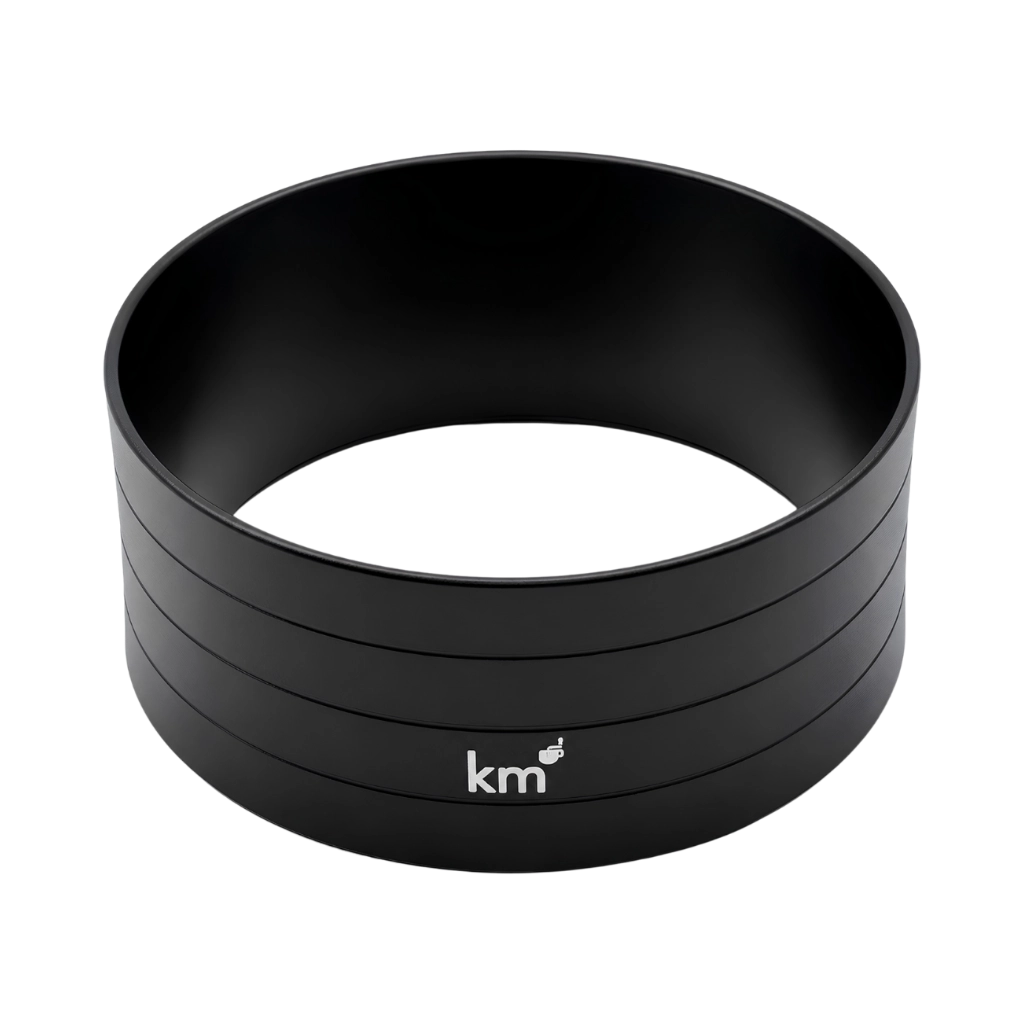
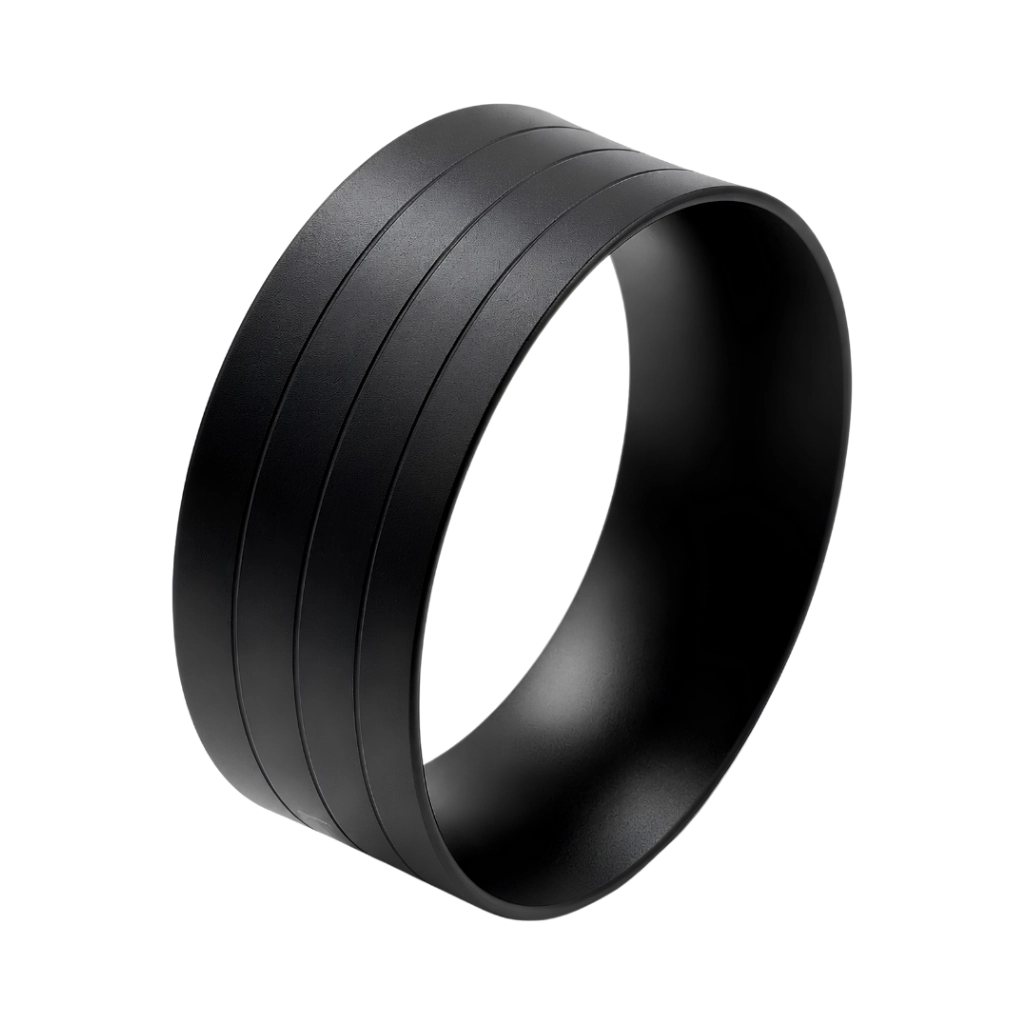
Everything else is comfort. A drip tray grate instead of the closed plate, so the flush water drains and two cappuccino cups fit side by side. A holder for the second portafilter. A dosing ring against grounds on the counter when single dosing. Everything we offer for the Dedica is collected in the Dedica accessories overview. It is designed for the 51 mm standard of the 685 and 885.
The Dedica is an entry-level machine; the grinder does not have to be. Whoever changes machines at some point keeps the grinder. A hand grinder that grinds fine enough for espresso is enough to start with. If you want electric, our short review of the DeLonghi KG521 shows where the most-bought Dedica grinder is good enough and where it is not. The better choice is a KitchenAid Artisan grinder in the same price range, a Timemore C5 ESP Pro hand grinder, or a real step up in quality with the DF54 single-dosing grinder.
Milk foam with the Dedica: espresso first, then steam
With a metal steam wand, the Dedica steams decently. Slowly, around 30 seconds for a small jug, but with fine foam that is good enough for a cappuccino. For two cups, you are better off steaming twice in the small jug than once in a big one. The thermoblock does not have the power for that.
The order matters more on this machine than on others: espresso first, then milk. For steam, the thermoblock heats up, and cooling down afterwards takes one to three minutes. If the buttons flash twice after steaming, the machine is too hot for espresso. Then open the steam knob over an empty jug and release steam and water until the flashing stops. Whether you are in hot milk or cappuccino mode makes hardly any difference when drawing in air.
After every steaming, wipe the wand and purge it briefly. Whatever milk builds up in the nozzle, you will taste in the next cappuccino.
Care: no backflushing, descale every three months
Two things set Dedica care apart from bigger machines.
First: no backflushing with a blind basket. The Dedica has no relief valve; the path into the drip tray that you flush with cleaning powder on heat-exchanger machines does not exist here. Try it anyway and you build pressure that has nowhere to go. Daily, it is enough to rinse the portafilter and wipe the shower screen with a cloth. Once a week the basket comes out and the group gasket gets wiped with a cloth. The shower screen itself can be unscrewed, but the thread sits in plastic. Every two to three months, gently, not more often. The full guide is in Cleaning the Dedica.
Second: the thermoblock scales up. When the steam button flashes orange, the machine wants to be descaled, and by then you should. With hard water we recommend every three months, light or no light. A scaled-up thermoblock heats worse, and at some point no water gets through at all. A 500 ml bottle of descaler lasts for three rounds, about 170 ml per tank. Portafilter out, hold the steam button for ten seconds, open the steam knob and let it run. Our trick: close the knob now and then so the descaler also runs through the group, not only through the wand. Then one or two tanks of clean water afterwards. Step by step in Descaling the Dedica.
And soft water helps against both. We brew with a total hardness of 3 to 5 °dH. What makes good coffee water is in our article on coffee water.
Who the Dedica is the right machine for
The Dedica is the right machine for everyone who wants to get started with espresso without spending 1,000 euros, and who is prepared to buy a grinder and a basket on top. It suits the camper van, the workshop, the office and of course the kitchen at home. It makes the start possible for everyone who wants to find out whether espresso at home is for them at all. We know many people who started with a Dedica and bought a heat-exchanger machine two years later. The grinder they kept.
The Dedica is less suitable for anyone who makes cappuccino for five people every day, because switching between espresso and steam mode takes time, as on every single-boiler machine. It is also not for those looking for the heavy, hands-on feel of a traditional espresso machine. And generally we advise anyone against an espresso machine who believes the machine alone makes the espresso. It does not. The grinder, the basket and the home barista do, together.
If you want to be guided through the Dedica from the first start to a dialled-in recipe: in our online course for the Dedica, Felix and Andrea show you in six modules and more than 20 videos how to match grinder, temperature and volumetrics. Permanent access, 35 euros.
Frequently asked questions about the DeLonghi Dedica
Which temperature level should I set?
Level 2 for most espressos, which corresponds to 92 to 93 °C. Level 1 only for very dark roasts. From the factory, the machine is set to level 1.
Is the Arte EC885 worth it over the EC685?
Technically the machines are identical. The 885 comes with a metal steam wand, a tamper and a milk jug. If you steam milk: yes. If you only drink espresso: no, the 50 euros are better spent on a basket.
Do my accessories also fit the Dedica Duo EC890?
Yes. The Duo EC890 has the same 51 mm bayonet as the 685 and 885; portafilters, baskets and tampers fit. Only the portafilter holder does not, because the Duo's housing is shaped differently.
Can I backflush the Dedica?
No. The Dedica has no relief valve. Clean the portafilter, basket and shower screen by hand and descale regularly.
Why does the Dedica drip after the shot?
Because it has no expansion valve. The residual pressure escapes through the portafilter into the cup. Stop the shot a little earlier or allow for two to four grams of run-on.
How often do I have to descale the Dedica?
At the latest when the steam button flashes orange. With hard water every three months, light or no light.
Do I really need a grinder?
Yes. Without a grinder you cannot adjust the resistance in the basket, and without a single-wall basket the machine does not react to the grinder. Together, the two turn the Dedica into an espresso machine.
Verdict
The DeLonghi Dedica is the cheapest espresso machine we can recommend, and has been since our first test. It is ready in 20 seconds, uses 0.017 kWh per double shot, has volumetrics with 1.5 grams of deviation and, with the right routine, reaches a stable 93 °C. German Barista Champion Felix Hohlmann calls the price-performance ratio Champions League; I would not go quite that far, but the direction is right.
It has the weaknesses of its price class. No expansion valve, a fixed pre-infusion, a drip tray that does not deserve the name, and a portafilter that drags the machine along when you unlock it. Consistency is a challenge, but one you can learn with our tips.
The real fault is in the box. A double-wall basket and a plastic stamp prevent exactly what you buy an espresso machine for. With a single-wall basket, a real tamper and a grinder, the Dedica becomes a machine you can learn espresso on. The same goes for the Arte EC885, plus a usable steam wand. The Duo EC890 is currently under test but has already made a good impression.
As always, we bought all the Dedicas ourselves. This test was not requested by DeLonghi.
More Dedica videos (in German): Descaling (series 4/5), Cleaning (series 5/5), 4 tuning tips, Steaming milk with thermoblock machines.