




Komal, Espresso from India


Coffee Info
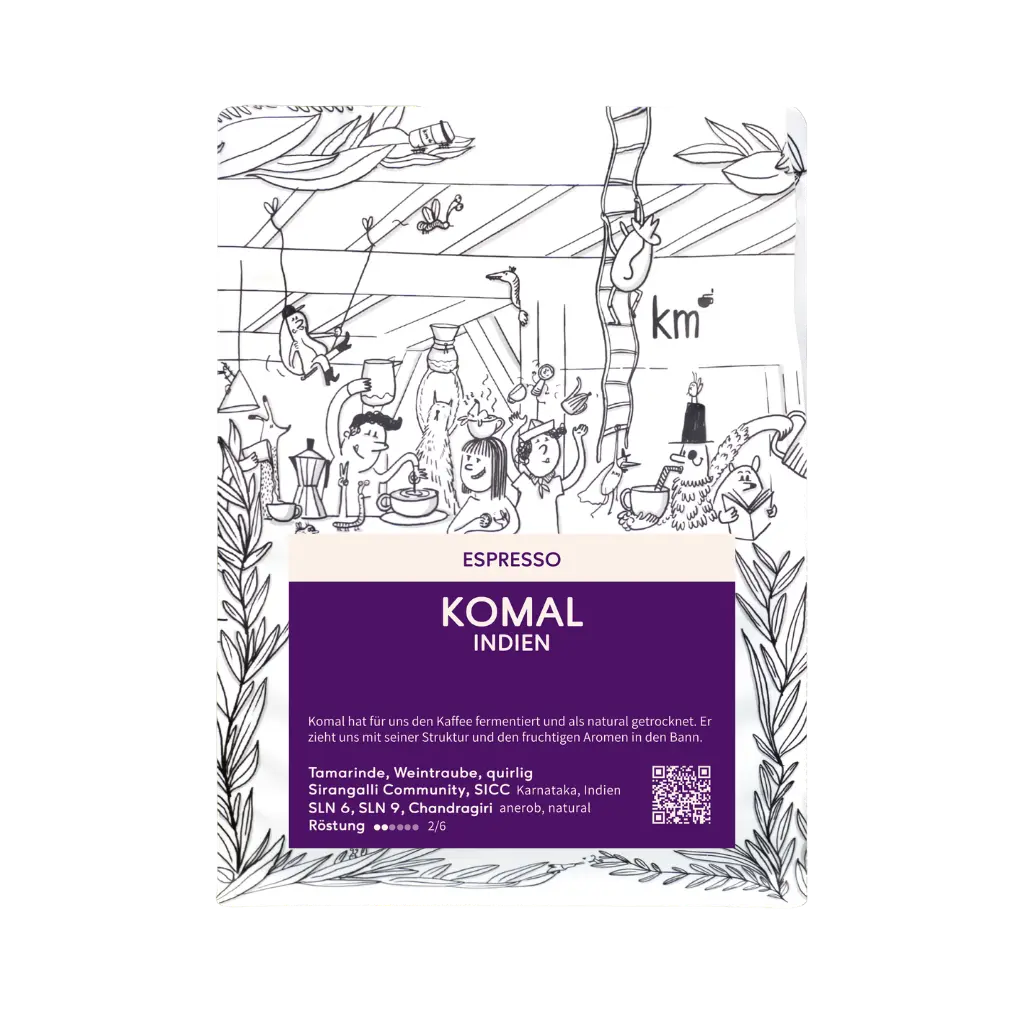
| Taste | Tamarind, grapes, lively and dense |
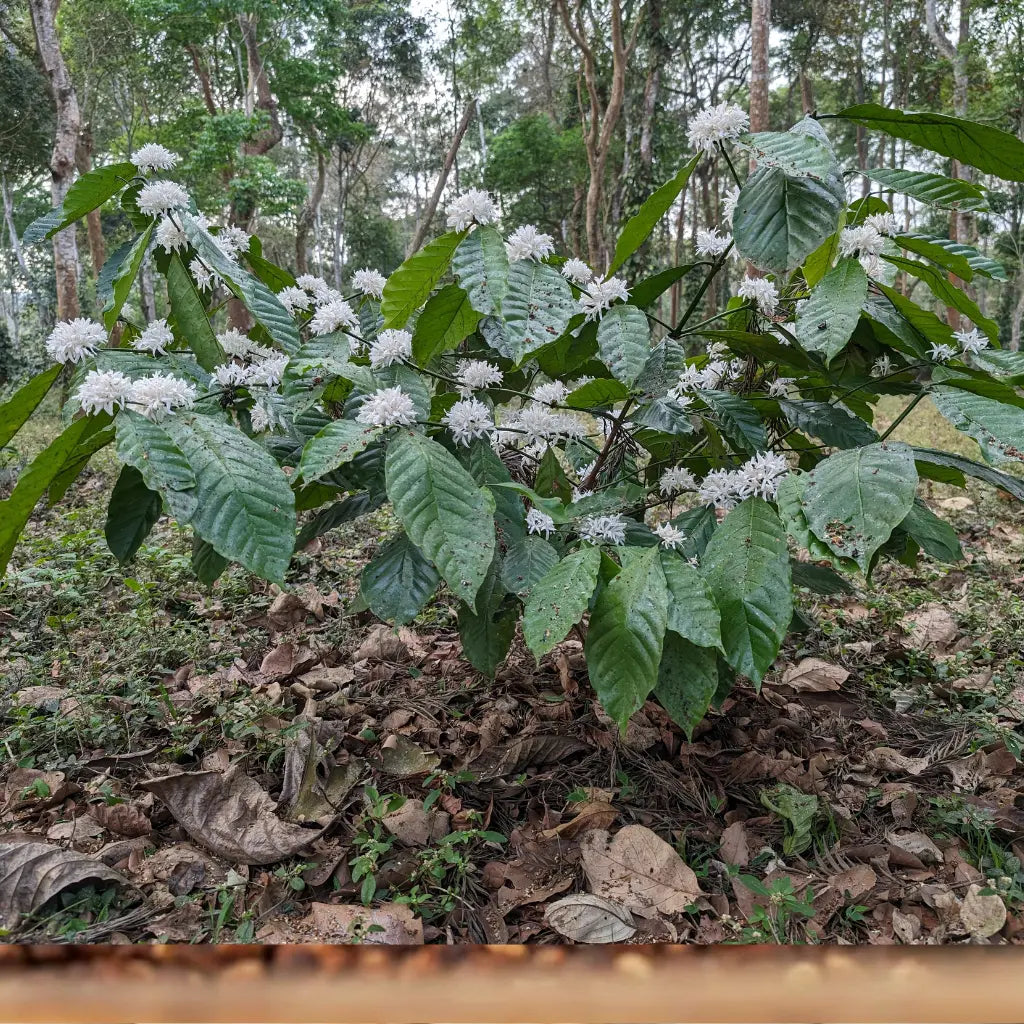
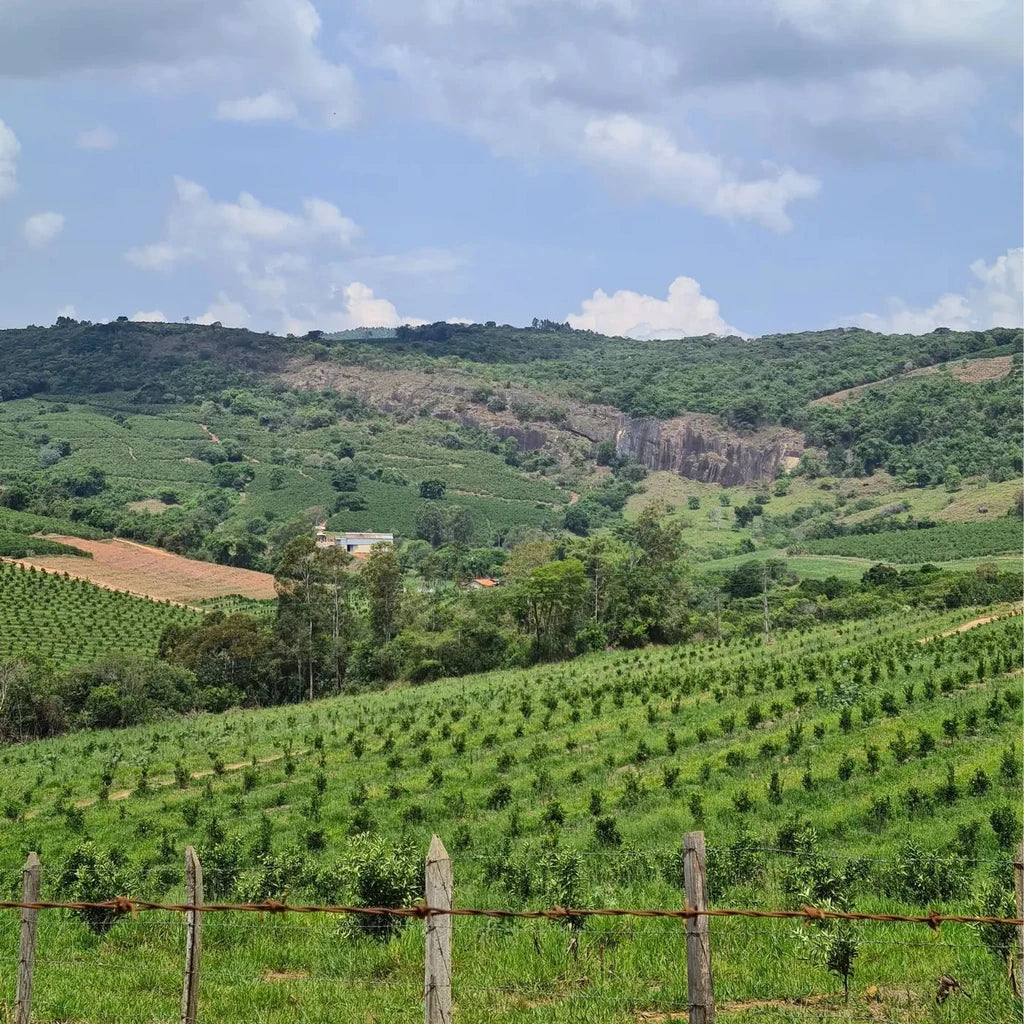
| Bean Origin | Sirangalli Community, Coorg, Karnataka, India |
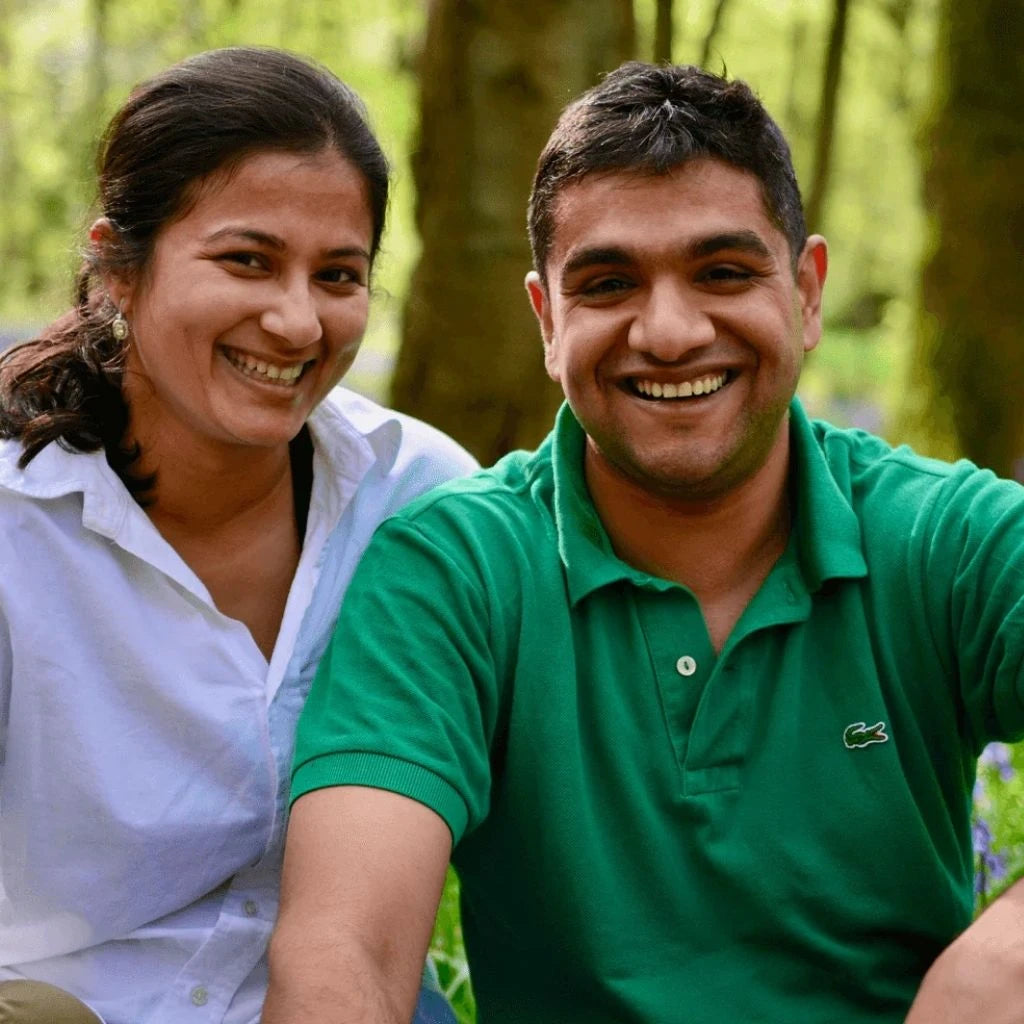
| Producers | Sirangalli Community with Komal and Akshay from South India Coffee Company |
| Varieties | SLN 6, SLN 9, Chandragiri |
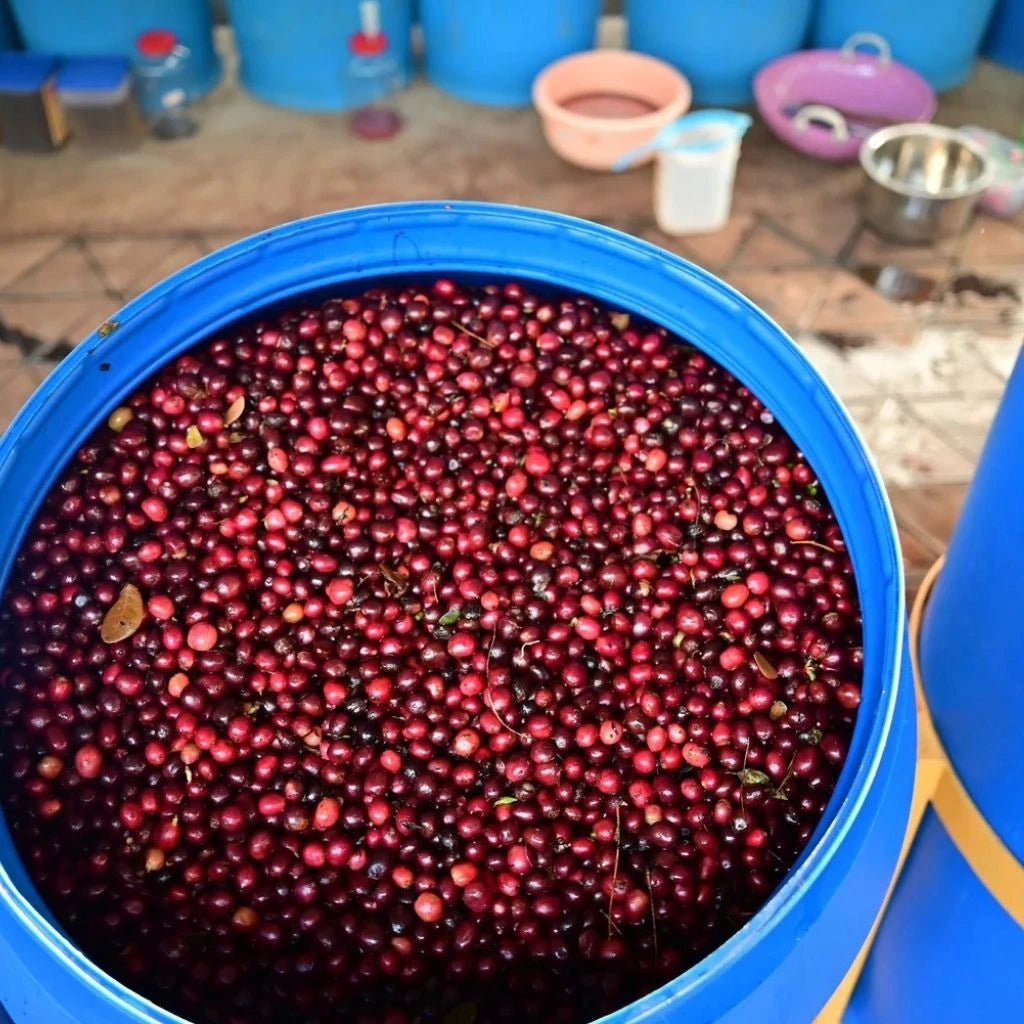
| Post-Harvest Process | Fermented for 5 days in sealed tanks. Dried for 7–10 days in a controlled temperature environment. Then allowed to rest for two months before the cherries are hulled. |
| All our coffees are sold as whole beans. | |
Sensory Profile
Flavor Notes
1 little · 3 medium · 5 much
Extremely versatile and multilayered coffee. From red grapes to sweet passion fruit to various forest berries and pralines, we can find everything.
Body and Aftertaste
| light | medium | heavy |
|---|---|---|
| silky | soft | velvety |
| tea-like | round | full-bodied |
| subtle | creamy | dense |
Endlessly long aftertaste of praline, sweet passion fruit, tropical fruits.
Balance
Sweetness 50 %
How We Brew This Coffee

We brew with the Maro Model 1 at 93 °C and grind with the Eureka Single Dose Pro.
What a punch! According to Nadja, this year's harvest of this coffee is so balanced, harmonious and round that you can almost brew it however you like. Definitely try many different recipes, because the coffee shows a different facet each time and thus its extreme complexity. Be aware that this coffee, like other heavily processed coffees, requires a finer grind.
Last year's harvest was a roaring lion, but Komal has tamed it this year. The coffee still shows its boozy character – if you want it to. Michel even found the first shot at 14 seconds already good.
For the standard 9-bar profile, we used a beverage ratio of 1:2.1 and 29 seconds and are enthusiastic. Sweet passion fruit, tropical fruits, extremely elegant and dense, very graceful and complex. Not sour, not bitter, not dusty. Maro Code: HTTRNBL
If you prefer the more modern variant of an espresso, you can pull the coffee in the same time to 50 to 54 ml and will be rewarded with a variety of flavors. The coffee now has plenty of room to develop. The cup appears lighter and softer this way. Nadja really likes this, Michel less so. Maro Code: ANAWEHZ
For the pressure profile, we remove pressure from the main brew and counter that with slightly elevated brew temperature. That is: Instead of 93 °C, we take 94 °C and can thus extract just as much despite lower pressure, but essentially more gently. With 20 g in and 42 g out at 29 seconds and complete cake saturation after eight seconds (3.5 bar), then up to just 7.5 bar we float on cloud nine: This cup is incredibly soft, balanced, structured with extremely high sweetness and a super juicy acidity. Maro Code: PBJUARV

Why Does This Coffee Taste the Way It Does?
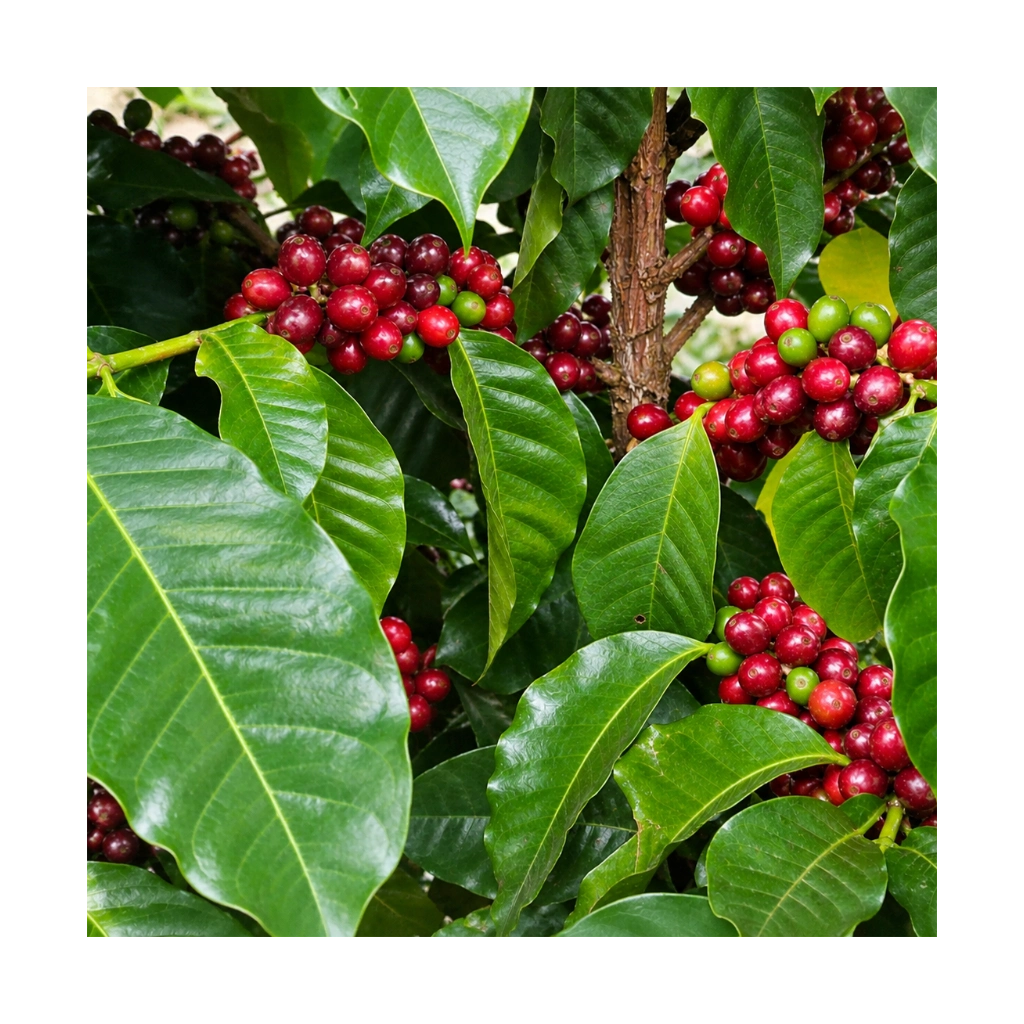
After manual harvesting, the cherries are sorted and fermented in an airtight tank for 5 days. This allows for more precise process control as well as higher consistency and clarity in the cup. Extended fermentation time deepens flavor complexity and also ensures complete breakdown of the fruit flesh (mucilage) of the coffee beans. Komal precisely controls this post-harvest process by adding a custom-made yeast. Afterwards, the whole cherries are dried for 7–10 days in a controlled temperature environment. Before hulling, the cherries rest for another two months to slow down the water activity in the bean and gain more stability in the green coffee's characteristics over a longer period.
Why Did We Buy From Komal?
In March this year, Nadja visited Akshay and Komal together with Lennart from "Good Middle Man" This Side Up. "We were immediately on the same wavelength," says Nadja, who is enthusiastic about their work and research in the field of coffee species. With their South India Coffee Company, the two function like our Claudia in Nicaragua with her company BridAzul. They process cherries from selected farmers in the surrounding area, invest in regenerative agriculture, and thus fight against poverty and emigration in and from the region. All their practical know-how also flows into scientific work. We handle the purchase through Lennart and his company This Side Up. An importer from the Netherlands that not only champions complete transparency but also demands and implements it like almost no other.
How Do We Roast This Coffee?
We roast the coffee as a 20 kg batch on our 30 kg Giesen roaster for 11:40 minutes with a development time of 69 seconds (9.8 %). We decided to roast the coffee light because this green coffee naturally brings a lot of texture, which is emphasized even more by its post-harvest process. So we can roast "edgy" with a good conscience and focus on the acidity and aromatics.
Giesen W30A 2021 · Batch 20 kg · August 5, 2026
Waste 15% · Roasting: Raul.
- Coffee and FermentationWhat happens in 60 hours in a sealed tank and why yeast makes the process controllable.
- Espresso is Sour? What to DoWhen the Komal's acidity is too loud: the three controls that help.
- Pre-infusion in EspressoWhy eight seconds of cake saturation in the pressure profile is no accident.
 Legal guarantee rights


Guaranteed origin
We know exactly where our coffee comes from and when and where it was roasted.

Personal advice
We are here to help you with any questions or problems.

Fast shipping
Delivery from Germany or Switzerland

Free shipping in DE from €75